

Can photovoltaics be installed on a difficult roof?
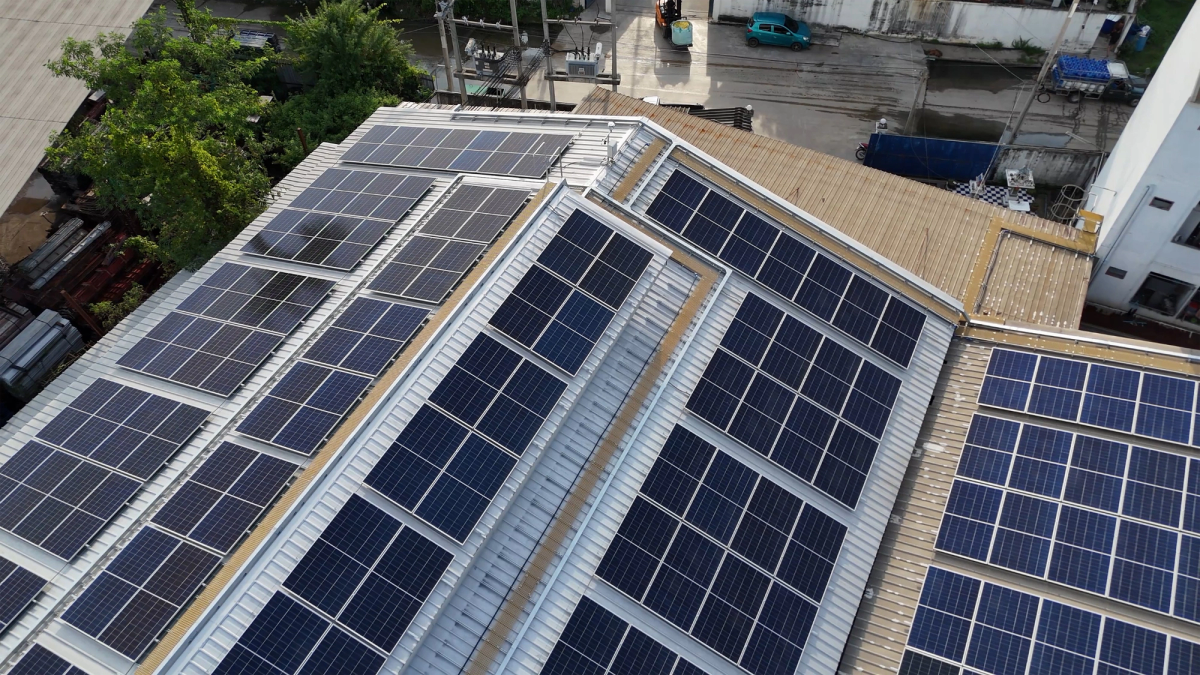
Many companies assume that if a roof is unusual, has limited load capacity or is subject to additional technical requirements, the subject of photovoltaics is closed. In practice that assumption is too simple. More and more projects that were considered unfeasible not long ago can be delivered today thanks to appropriately chosen technology and the right design approach.
This applies above all to buildings that do not fit the standard mounting model: lightweight roofs, geometrically complex ones, those requiring limited interference with the covering, or buildings where particular technical caution is essential. In such cases a conventional installation is not enough. You have to start from a different question: not whether photovoltaics is possible, but in what form it can be carried out safely and profitably.
What does a „difficult roof” actually mean in photovoltaics?
It is not only about a damaged or old roof. In the context of a PV investment, a difficult roof is any building that places additional structural, mounting or formal demands on the project. The problem may stem from low load capacity, the type of covering, an irregular roof shape or constraints tied to how the building is used.
This group most often includes:
- roofs with low load capacity,
- roofs with complex geometry,
- buildings where interference with the covering has to be limited,
- lightweight structures and temporary buildings,
- buildings subject to particular technical or formal requirements.
It is in these cases that a standard installation most often proves insufficient or too risky.
Why do conventional PV systems not work on every roof?
Conventional photovoltaics works well where the roof has adequate load capacity, a simple layout and allows predictable mounting. The problem starts when any one of these conditions is not met. In practice the biggest barrier very often turns out to be not the panel itself, but the weight of the whole system and the way it is fixed.
If the roof has limited load-bearing reserves, the additional load can rule the project out at the very start. If the covering is sensitive to intervention, the risk of leaks and damage becomes too great. If the roof has many breaks, skylights or technical elements, a conventional panel layout loses efficiency and stops being viable. As a result the investor is not so much giving up on their own energy as on one particular technological model that simply does not suit the building.
Which barriers most often block unusual PV projects?
Every difficult roof needs its own analysis, but certain problems recur very often. It is these that lead investors to hear that a project is impossible or too risky.
The most common barriers are:
- insufficient load capacity of the roof structure,
- a high risk of compromising the watertightness of the covering,
- complex geometry limiting the efficient layout of modules,
- environmental conditions requiring greater resilience of the whole system,
- formal or design constraints tied to the nature of the building.
The most important thing, though, is that the mere presence of these barriers does not yet mean the investment has to be written off. It only means it cannot be designed to a standard template.
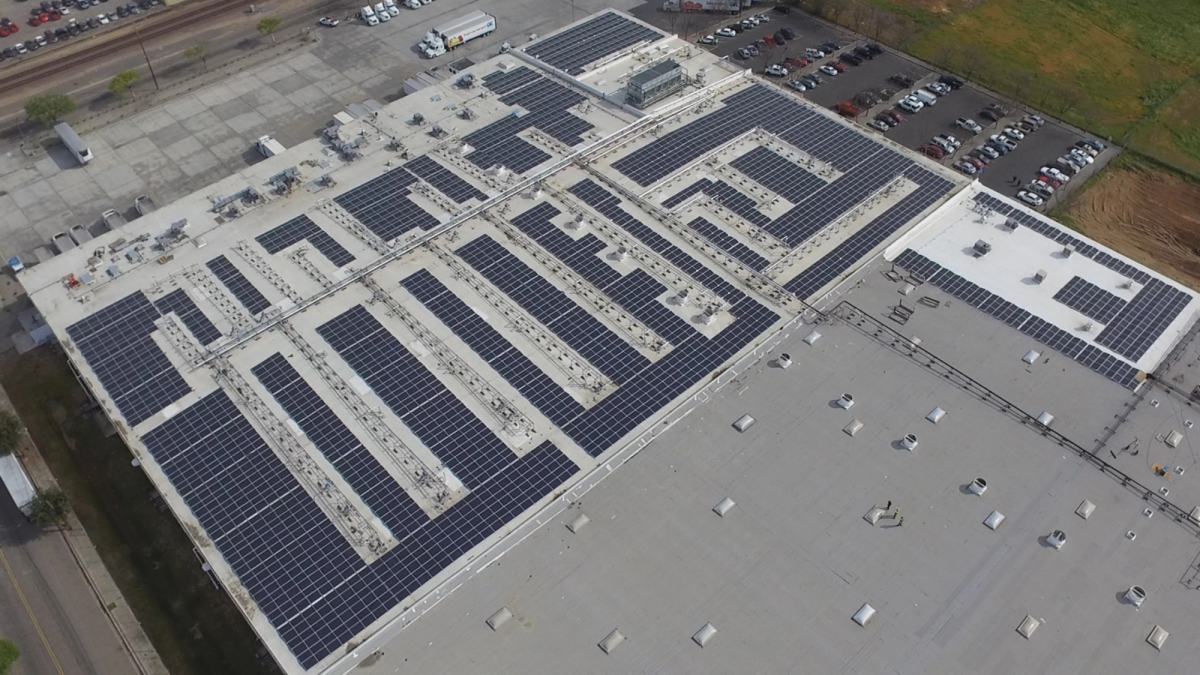
Low load capacity roofs – the most common difficult installation
This is one of the most important areas, because roofs of this kind are very common in halls, warehouses, retail buildings and some service properties. Many of them have a large surface and high energy potential, but their structure does not allow conventional solutions to be used safely.
In such buildings the problem does not come down to a simple question of room for modules. What is crucial is how much additional load the roof can take and whether the mounting method will not worsen its performance. That is precisely why lightweight PV systems matter so much today: they allow a project to be analysed where it previously ended with a quick „it cannot be done”.
What about roofs with irregular shapes?
Multi-pitch roofs with numerous breaks, technical elements, skylights or a non-standard surface layout are difficult not only in terms of mounting but also of design. In such cases the problem is not only where to place the panels, but also how to maintain adequate efficiency across the whole system.
On a simple roof a conventional installation can usually be laid out relatively easily. On an irregular roof you have to be far more careful about module placement, shading, service access and the use of the genuinely available surface. It is here that technology and design have to work together, because the choice of module alone does not solve the problem.
When does limiting interference with the roof become critical?
There are buildings where, even if load capacity is not the main problem, preserving the watertightness, safety and stability of the covering remains the priority. This applies among others to lightweight roofs, membrane roofs, trapezoidal sheeting or solutions where mechanical intervention could generate additional operational risk.
In such situations the mounting method can matter as much as the weight of the installation. If the system requires solutions that increase the risk of damaging the covering or cause additional servicing complications, the investor starts calculating not only the cost of photovoltaics but also the cost of potential roof problems. That is precisely why lightweight technologies and solutions designed for a specific type of building matter so much in difficult projects.
Which technologies genuinely help on difficult roofs?
There is no single technology that solves every problem. In practice what counts is selecting a set of solutions that answers the building's specific constraints. Sometimes the system's mass is decisive, sometimes the mounting method, and sometimes optimising how the modules perform in a more demanding layout.
In difficult roof projects the greatest importance usually attaches to:
- lightweight and ultralight PV systems,
- solutions limiting interference with the covering,
- technologies improving how an installation performs on shaded or irregularly laid out roofs.
This means the advantage of modern systems lies not merely in being „newer”, but in letting you solve real problems that conventional installations cannot work around.
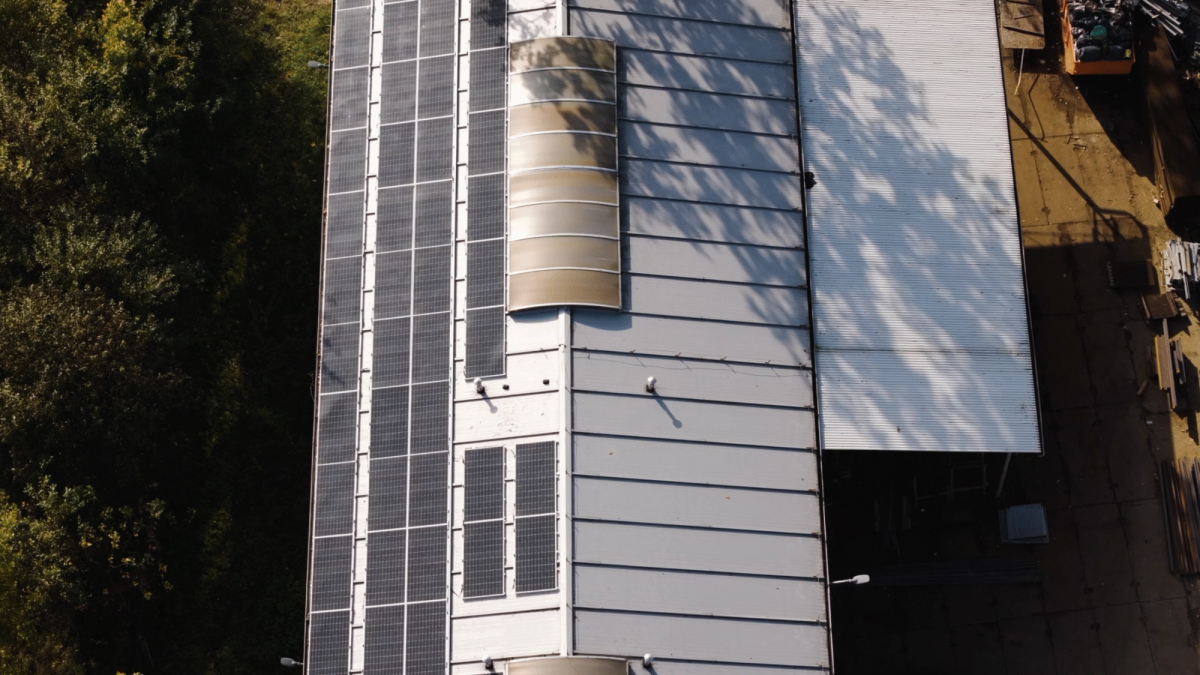
Why do lightweight and flexible modules change the rules of the game?
On difficult roofs what matters most is often that lightweight technology shifts the boundary of what is feasible. If the roof cannot bear the weight of a standard installation, the conventional approach simply comes to an end. A lightweight PV system is not then the better option — it is often the only sensible one.
An additional advantage can be the scope to limit interference with the covering and a better fit between technology and more demanding surfaces. This matters especially where the roof leaves little margin for error and where every mounting decision affects the safety of the whole building. From the investor's perspective this means one thing: more roofs can today be treated as a real energy resource rather than a technical constraint.
Can a difficult PV installation still be profitable?
Yes, provided the project is not judged solely through the lens of standard assumptions. Many difficult roofs stayed outside the PV market for years not because the economics did not add up, but because the right technology was missing. Once a system matched to the building's constraints appears, the whole logic of the investment changes.
For a company this means the ability to:
- bring an installation online where it was previously impossible,
- use a surface that has not been working for the business,
- lower energy costs without a costly rebuild of the building,
- build an operational and reputational advantage through modern technology.
That is precisely why difficult projects should not be rejected out of hand. They often simply require a different approach than standard installations.
How should such a roof be assessed?
The worst approach is treating every unusual building the same way. A difficult roof is not one category but many different scenarios that have to be assessed individually. What is crucial is checking the structure, the type of covering, how the building is used and the mounting conditions before any decision on technology is taken.
A well-conducted analysis makes it possible to establish whether:
- the roof genuinely rules out a conventional solution,
- a lightweight system can be used,
- the project can be delivered without excessive technical and cost risk.
Only then can the investor move from a general concern to a concrete design decision.
Photovoltaics on a difficult roof does not have to mean giving up
Not long ago many buildings were automatically placed in the „not suitable for PV” category. Today that approach increasingly proves out of date. The development of lightweight systems, new mounting methods and more flexible design means difficult roofs are no longer the end of the conversation, but the start of a proper analysis.
If a roof has limited load capacity, complex geometry or requires particular mounting care, do not assume the investment is impossible. It is worth checking whether it can be delivered in a form matched to the building. It is precisely where the standard approach fails that well-chosen technology starts to have the greatest value.