

Photovoltaics for housing associations and cooperatives – how to use every roof, whatever its limits
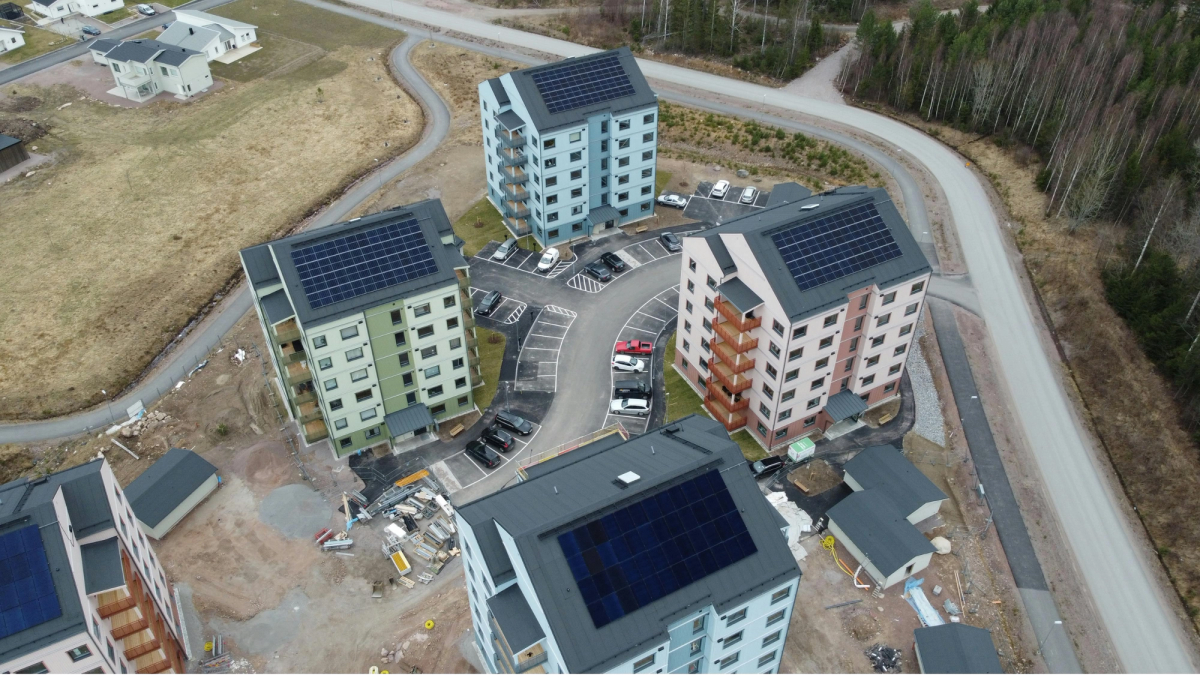
Photovoltaics in multi-family housing has enormous potential, yet in practice many investments stall at the technical analysis stage. One problem comes up most often: the limited load-bearing capacity of the roofs. In reality, though, the barrier is not the roof but the way the project is approached and the choice of technology, which frequently fails to account for the specifics of such buildings.
Why photovoltaics on multi-family buildings calls for a different approach
Associations and cooperatives manage groups of buildings that were erected in different periods and to different structural standards. That means every roof has different technical parameters, different constraints and different potential.
In practice there is no single solution that can be applied across an entire estate. Every investment requires an individual approach, based on technical analysis and on fitting the technology to the specific building — not the other way round. This is precisely where the design advantage usually appears.
Roof load capacity as a real constraint – but not an insurmountable barrier
One of the most common reasons for rejecting an investment is the load-bearing capacity of the roof. Many multi-family buildings were never designed for the additional loads that standard photovoltaic installations generate.
The problem is that conventional mounting systems:
- require support structures,
- often rely on additional ballast,
- add significant weight across the whole installation.
It is the mass of the installation — not a lack of surface area or sunlight — that most often decides whether a project can go ahead.
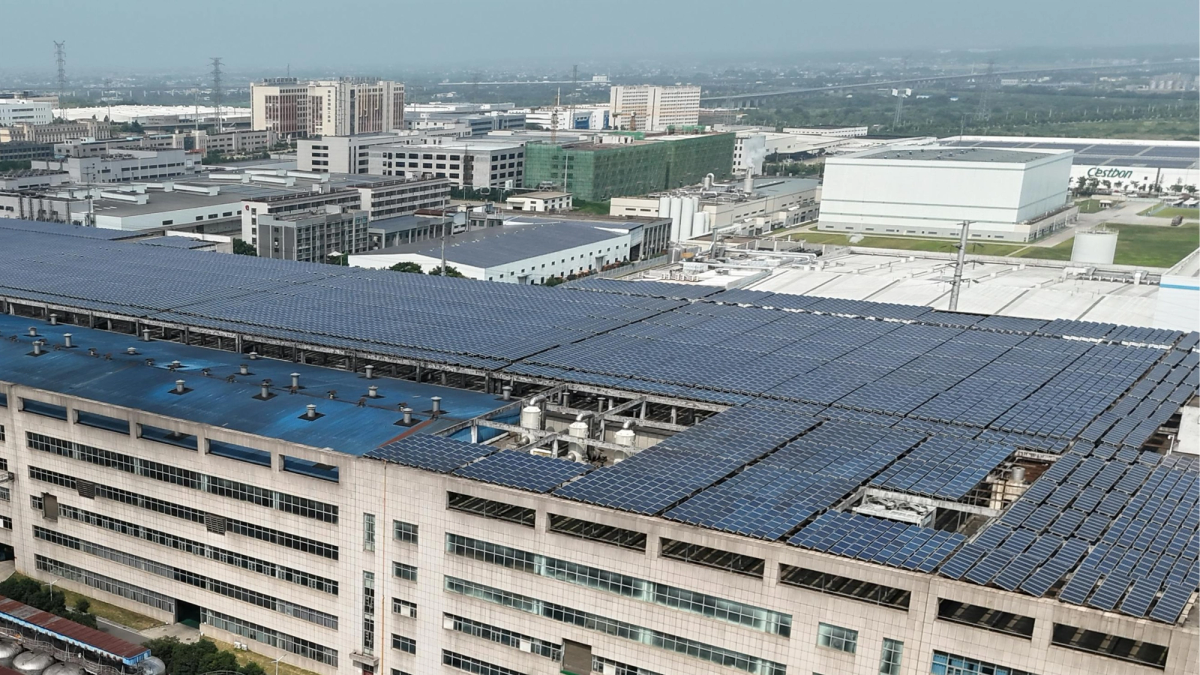
How much does a PV installation weigh, and why does that change everything
For buildings with limited load capacity, the mass of the installation is the key parameter. The differences between solutions are large enough to directly determine whether the investment can be carried out.
Standard PV systems can be several times heavier than lightweight ones. Lightweight photovoltaic installations come in at around 5 kg/m², which means up to eight times less load than conventional systems. It is this difference that allows roofs previously ruled out of an investment to be brought back into the analysis.
Photovoltaics for the whole estate – maximising potential, not a single roof
For associations and cooperatives the question is not whether one roof is suitable for an installation, but how to unlock the potential of the entire estate. Some buildings will have constraints; others may offer very good conditions.
Only by combining different technological solutions and matching them to specific buildings can you build a system that genuinely makes sense as an investment. This approach significantly increases the scale of the possible installation and makes better use of the available surfaces.
Choosing the technology – the pivotal moment of the whole project
The choice of technology should be neither accidental nor based on a single standard solution. This is the stage at which it is decided whether the investment can be delivered at all, and to what extent.
In practice the process covers:
- analysis of roof load capacity and structure,
- assessment of mounting conditions,
- matching the PV system to the building's constraints,
- optimising the installation for safety and efficiency.
It is at this stage that the real advantage of lightweight photovoltaic systems emerges, allowing structural constraints to be overcome.
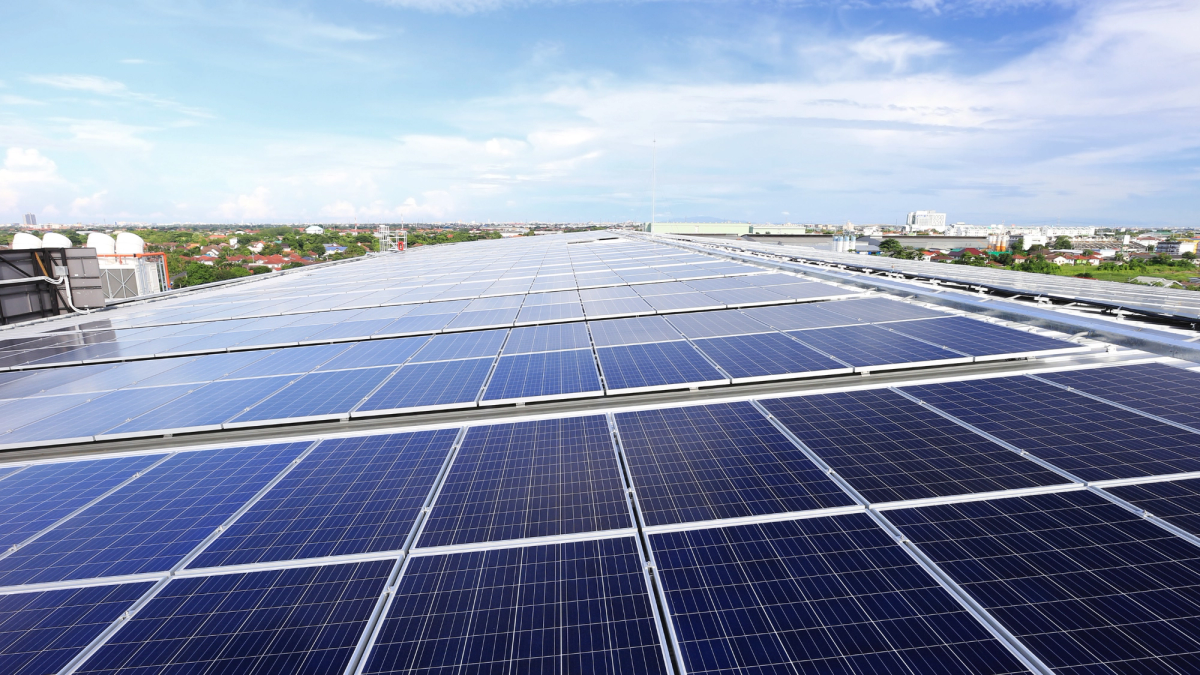
Lekkie Panele – technology designed for demanding roofs
The answer to the constraints of multi-family buildings are the lightweight installations developed under the Lekkie Panele project. It is a system designed from the ground up for roofs with low load capacity and high technical requirements.
Installations weighing around 5 kg/m² make it possible to deliver projects where standard systems are simply too heavy, often exceeding the permissible structural loads several times over. This opens up roofs that used to be automatically excluded from investment.
The solution works particularly well for:
- multi-family buildings with limited load capacity,
- older buildings with no structural headroom,
- social housing and cooperative estates,
- projects that require minimal interference with the roof structure.
Importantly, lightweight systems are not a compromise on quality. They deliver the full functionality of a PV installation while limiting the impact on the building's structure. That is precisely what makes it possible to genuinely increase the number of buildings covered by the investment.
What the association or cooperative gains
Using lightweight photovoltaic installations changes how the investment is approached. Instead of being restricted to a handful of buildings with the best parameters, a far larger part of the estate can be included in the project.
The greatest value lies in scaling up the investment without having to interfere with the buildings' structure, which translates directly into higher energy output and better use of the available resources.
More roofs, more energy, more possibilities
Photovoltaics for associations and cooperatives should not start with the question „can it be done”, but „how do we do it well”. In many cases structural constraints do not rule out the investment; they call for a change of approach and the right technology.
Lightweight PV installations unlock the potential of roofs that used to be passed over, and genuinely increase the scale of investment in multi-family housing.
Get in touch
If you are planning a photovoltaic investment for an association or cooperative, correctly identifying the technical possibilities of the buildings and choosing technology matched to their constraints is critical. We specialise in projects for multi-family housing and we know how to unlock the potential of even demanding roofs.
We have experience working with the housing sector and for close to three years we have been cooperating with TBS Gdańsk and TBS Motława, delivering work on the analysis and preparation of investments for multi-family housing. As a result we know the specifics of such projects, we understand their technical conditions and we can select solutions that stand a real chance of being implemented.
Get in touch to find out what potential your estate holds and what installation could be designed for your buildings.