

Lightweight PV panels on a low load capacity roof – when is photovoltaics possible?
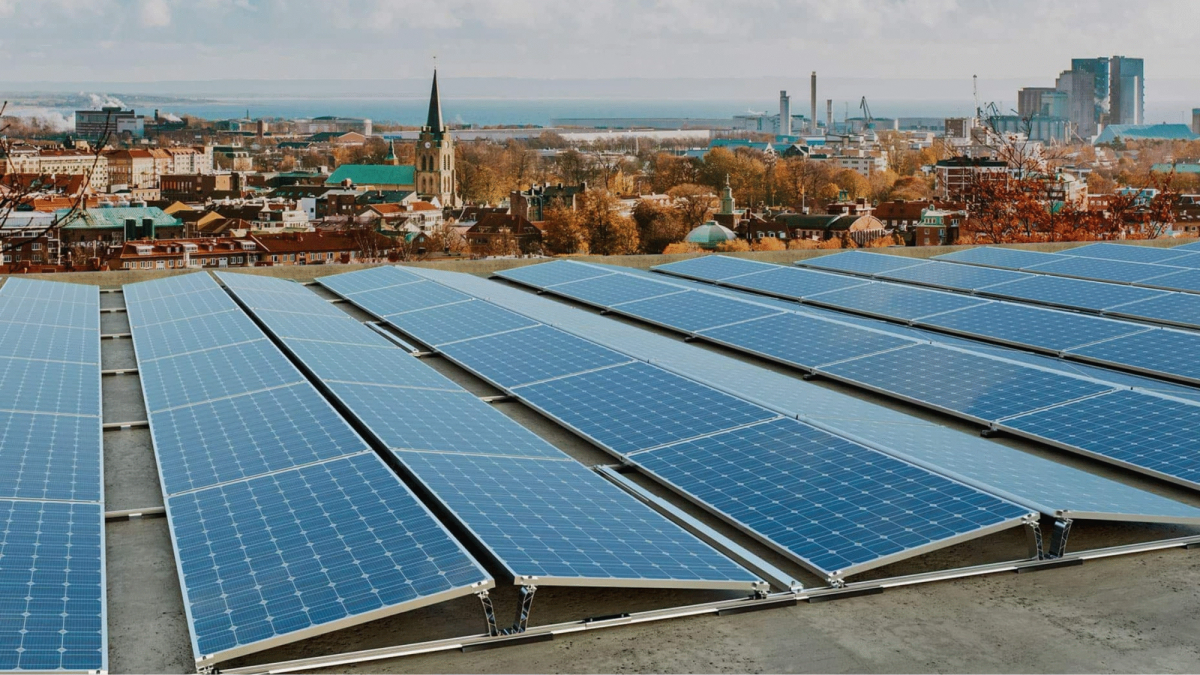
In many companies the decision to install photovoltaics stalls not on the cost of the investment or a lack of space, but on the structural limits of the roof. The building has a large surface, good solar conditions and high energy consumption, and yet the project goes no further. The most common cause is roof load capacity that is too low to allow a conventional installation to be used safely.
The problem is especially visible in warehouse, logistics and production halls. In such buildings the roof is often one of the largest untapped energy resources, yet its technical parameters rule out mounting standard modules. That is precisely why lightweight PV panels are becoming increasingly important: they allow the investment to be approached differently and open the way to using surfaces previously considered off limits.
Why does a low load capacity roof block traditional photovoltaics?
In conventional PV systems what matters is not only the mass of the modules themselves, but of the entire installation. The load on the roof is also determined by the support structure, the fixings and — on flat roofs — the ballast. It is the sum of these elements that very often turns out to be the decisive barrier.
The issue affects above all buildings where the load-bearing headroom is limited, or where the roof was designed many years ago to assumptions quite different from today's energy needs. In practice this means that even with a large surface and high yield potential, a company may be told that a standard installation would place too great a load on the structure.
This most often concerns buildings such as:
- steel halls,
- buildings with a lightweight load-bearing structure,
- older industrial and warehouse buildings,
- roofs covered with membrane, bituminous felt or trapezoidal sheeting.
It is in such cases that a project often stalls at the preliminary technical analysis. That does not mean photovoltaics is ruled out entirely, though. Very often what is ruled out is only the standard technology.
Does low roof load capacity always mean PV cannot be installed?
No. This is one of the most common misreadings on the investor's side. If a roof does not qualify for conventional modules, that does not automatically mean a photovoltaic installation cannot be built on it. It only means that the solution has to be matched to the building's actual constraints.
This is exactly where lightweight PV panels come in. This kind of technology was created with roofs in mind that cannot carry the typical loads generated by traditional systems. As a result the project need not end with a plain „it cannot be done”, but can move on to assessing whether it can be delivered under a different technological model.
This matters greatly for companies operating in energy-intensive sectors with limited scope to expand their infrastructure. For them the roof is not an add-on but a real asset that can work towards the company's bottom line.
How do lightweight PV panels change the approach to industrial roofs?
The difference is not merely the lower mass of a single module. What matters is the whole system concept. Lightweight solutions are about limiting the load of the installation as a whole while matching the mounting method to the type of roof covering and the technical condition of the building.
In practice this changes the starting point for the design. Instead of working out how to fit the roof to a heavy system, you can fit the system to what the roof can take. That inverts the logic of the investment and brings back into play surfaces previously written off for PV.
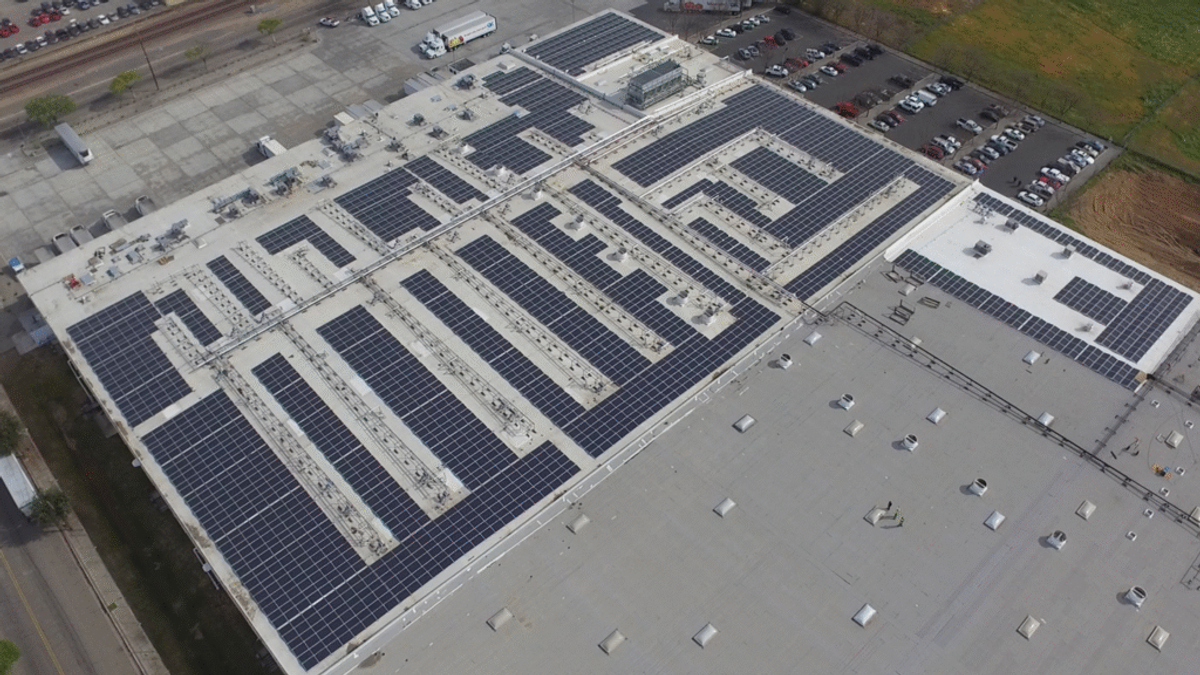
This is particularly significant for large halls, where strengthening the structure would be very expensive, time-consuming or organisationally difficult. If a building runs without interruption, every intervention in the roof can mean additional risk to operational continuity. Lightweight technology limits those problems and makes it possible to think about the investment in more realistic terms.
On which buildings do lightweight panels make the most sense?
The greatest potential of such solutions shows wherever a company has a large roof at its disposal but cannot use it under the classic model. This applies above all to industrial and commercial buildings where the scale of the surface goes hand in hand with structural constraints.
In practice, lightweight panels are worth considering when:
- the roof has limited load capacity,
- the investor does not want to or cannot strengthen the structure,
- the building must stay in continuous operation during installation,
- the type of covering calls for a solution with minimal interference with the roof skin.
These are not niche cases. Quite the opposite — this is exactly what a very large part of the existing industrial and warehouse building stock looks like. That is why lightweight panels are not a technological curiosity today, but an answer to a very concrete infrastructure problem.
What benefits does a lightweight PV installation bring a company?
The most important benefit is unlocking the investment in the first place. For many businesses that is the crucial point, because without lightweight technology the subject of photovoltaics would never have reached the delivery stage at all. Only afterwards do the further effects appear: operational, financial and strategic.
A lightweight installation can reduce the need to interfere with the roof structure, simplify the design process and shorten the path to an investment decision. From the company's point of view that means less risk, fewer reservations from the technical department and a better chance that the project will be approved. It also matters that using your own roof for energy generation means making better use of existing assets without having to acquire more land.
From a business perspective the gains are broader still:
- lower energy costs,
- greater operational independence,
- better readiness for ESG requirements,
- the chance to use a surface that was not previously working for the company.
This is precisely why lightweight panels can build an advantage that is not only technical but also cost-related. A company able to bring an installation online on a difficult roof gains access to benefits that part of the competition still cannot reach.
Why do lightweight panels matter especially in halls and warehouses?
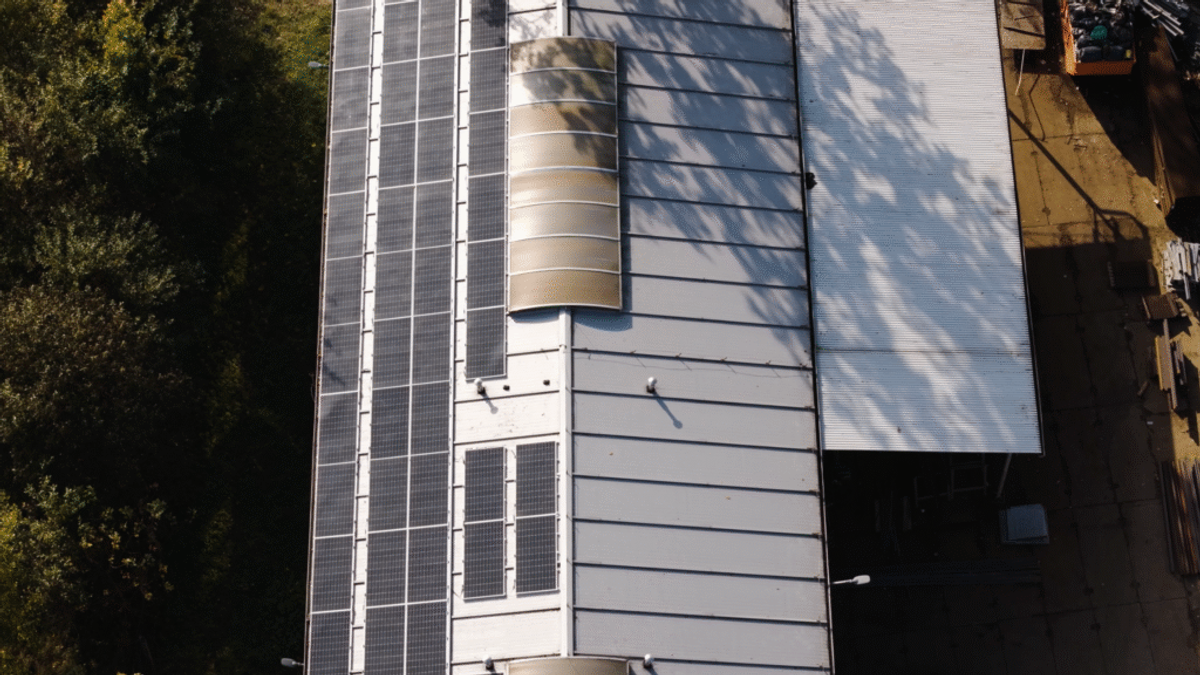
In large buildings the roof is usually the biggest available surface that can be devoted to energy generation. At the same time it is exactly there that structural constraints most often block the classic approach to photovoltaics. This paradox means that companies with high energy consumption not infrequently have very good investment potential yet cannot use it by the standard route.
Lightweight panels break that deadlock. They make it possible to see the roof not as an obstacle but as an asset which, after proper analysis, can be put to work without a costly refurbishment of the whole building. This is particularly relevant in logistics, manufacturing, e-commerce and retail, where large roofs are the norm and pressure to optimise energy costs keeps growing.
How to check whether a roof qualifies for lightweight PV panels?
The assessment should not start from a blanket assumption that the roof „definitely will not do”. What is needed is an analysis of the specific building, its structure and the type of covering. Only on that basis can you judge whether lightweight technology can be used.
At the preliminary qualification stage the analysis usually covers:
- the type of roof structure,
- the type of roof skin,
- the available load-bearing reserves,
- constraints relating to mounting and to the operation of the building.
Only this approach makes it possible to tell a roof genuinely excluded from investment apart from one that simply requires a system other than the standard.
Lightweight PV panels as a way to recover a roof's potential
A roof with low load capacity does not have to mean giving up on photovoltaics. In many cases it only means the project requires technology matched to the building's constraints. That is precisely why lightweight PV panels are gaining such importance in industrial and commercial investments today.
For companies this is often not a choice between a lightweight and a conventional installation. It is a choice between a lightweight installation and no way of using the roof at all. So if a building has large surface potential but standard photovoltaics is out on structural grounds, it is worth checking whether lightweight technology opens the way to delivering the investment.