

Photovoltaics without overloading the roof – when an ultralight PV system is the right choice
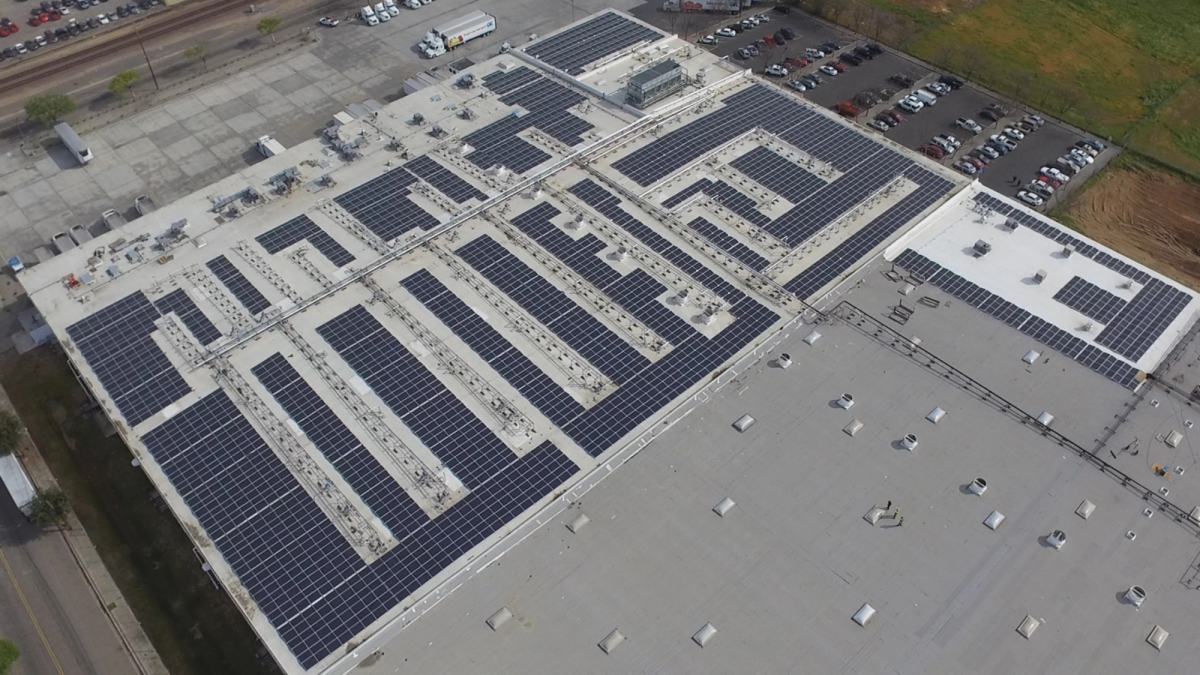
For years many companies were in practice shut out of photovoltaic investment despite having a large roof area and high energy consumption. The problem was neither a lack of space nor a lack of viability, but roof load capacity too low to allow a conventional installation.
That is why the roofs of halls, warehouses, shopping centres and logistics facilities long remained energetically unused. Standard PV systems were simply too heavy. Today the situation is beginning to change, because solutions designed specifically for such buildings have appeared on the market. Ultralight PV systems make it possible to see the roof not as a constraint but as an asset that can be activated without rebuilding the entire structure.
Why did low load capacity roofs block photovoltaics for years?
With traditional installations the problem is not only the mass of the panels. What counts is the system as a whole: modules, support structure, mounting components and sometimes the additional load resulting from the chosen installation method. It is the sum of these components that leaves many roofs short of the requirements for safely mounting conventional photovoltaics.
This applies especially to buildings designed with an emphasis on construction economy and on keeping the structure's own weight down. In practice these include both older buildings and many modern halls whose roof parameters were optimised for one specific pattern of use. If a roof was designed with no margin, every additional kilogram becomes a genuine technical and design problem.
That is precisely why in many companies the subject of PV ended at the preliminary technical assessment. The surface was there, the energy demand was there, but the roof itself did not allow a standard solution.
Why does the weight of the installation matter so much?
In commercial and industrial projects the decision to install PV cannot rest solely on expected energy output or payback period. Structural safety is equally critical. If an installation introduces a load the roof was never designed to carry, the investment stops being rational.
In practice the problem grows quickly with the scale of the building. On large roofs a difference of a few or a dozen kilograms per square metre means dozens of tonnes of additional load. That changes not only the technical assessment but the economics of the whole project. It often turns out that strengthening the structure alone would be more expensive, riskier and organisationally harder than the planned installation.
From the investor's perspective the conclusion is simple: if the PV technology is not matched to the roof's parameters, the project may be not merely unprofitable but outright unfeasible.
How do ultralight PV systems differ from standard solutions?
The key difference is that an ultralight system is designed from the outset around limiting the mass of the entire installation. It is therefore not merely about a lighter module, but about combining components and a mounting method in a way that together produces a solution usable on more difficult roofs.
In the model developed by Ergosun it is precisely this holistic approach to the system that matters. Fitting a single light component is not enough. The whole assembly has to be designed so that the roof is not loaded beyond what it can take and so that the mounting method suits the type of covering and the building's operating conditions.
This means a change in the logic of the investment. Instead of adapting the roof to a heavy installation, you can match the installation to the roof's parameters. For many companies that is the difference between dropping the project and genuinely getting it off the ground.
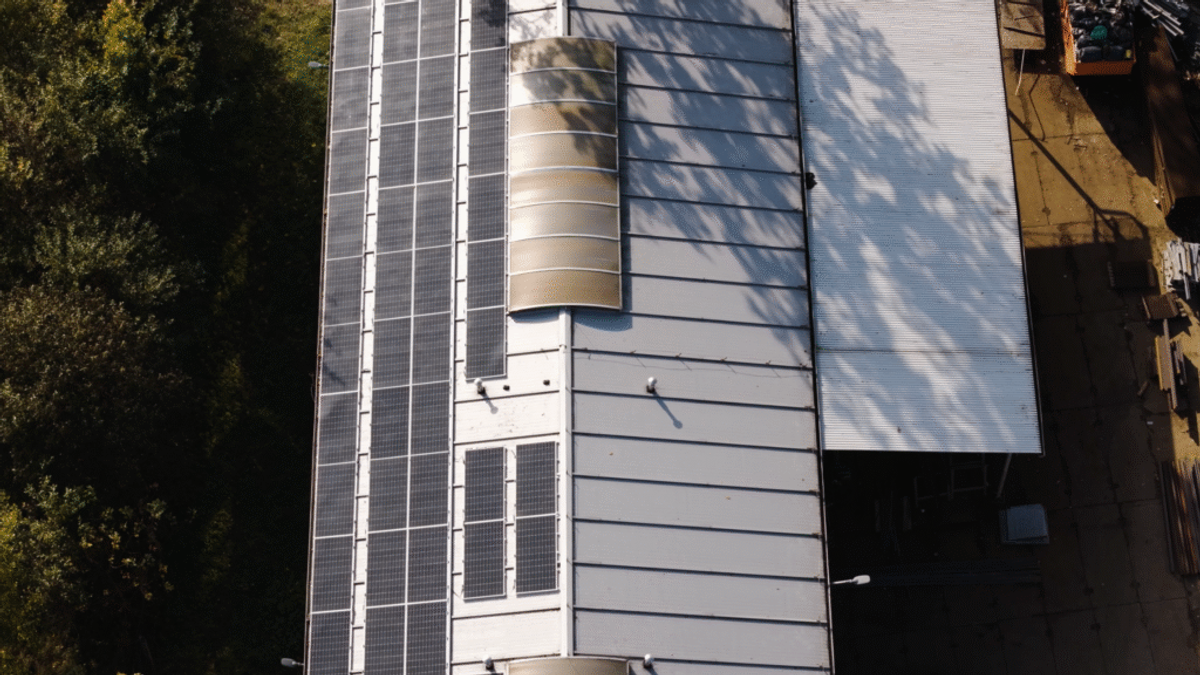
What technological approach lies behind the lightweight Ergosun systems?
The solutions developed under the Lekkie Panele project came about as an answer to a very specific market gap. It concerns buildings with great roof potential that were for years excluded from the energy transition because the available systems did not match their structural constraints.
In this approach it is not only the mass that matters, but also how the system integrates with the roof, watertightness, durability and operational safety. This is not a „one size fits all” product, but a technology selected according to the type of building, the kind of covering and the load-bearing parameters. That is exactly why the technical analysis and design stage matters so much, not just the choice of module.
Where do ultralight PV systems have the widest application?
The greatest beneficiaries are buildings that on the one hand have a large roof and high energy demand, and on the other do not qualify for a conventional installation. It is there that the advantage of a lightweight solution is felt most.
In practice this means above all:
- industrial and production halls,
- warehouses and logistics centres,
- retail buildings and larger service properties,
- roofs whose covering makes limited mounting interference essential.
This is a market segment where the scale of the potential is enormous. Many such buildings have operated for years with no way to use the roof as an energy source, even though it is precisely there that the benefits of generating your own energy would be especially clear.
What does the investor gain when the roof needs no strengthening?
The biggest benefit is not merely the lower mass of the installation itself, but the fact that the company can avoid the whole chain of additional costs, decisions and risks tied to strengthening the structure. It was at this stage that many projects previously came to a halt.
If a roof can be used without extensive structural intervention, the investor gains:
- a simpler decision path,
- lower design and execution risk,
- a better chance of bringing the investment online sooner,
- the ability to use existing surface without a costly rebuild of the building.
In practice this means moving from a discussion about constraints to a conversation about real viability. And for many companies that is the turning point.
Why do lightweight PV systems matter strategically?
For businesses the roof is no longer just a part of the building. Increasingly it becomes an asset that can affect operating costs, energy security and competitive position. The larger the building and the higher its energy consumption, the more visible the value of a well-used roof surface becomes.
This is why ultralight PV systems matter today in a broader than purely technical sense. They allow buildings previously beyond the reach of conventional photovoltaics to be brought into the energy transition. For companies that means not only the chance to lower energy costs, but also easier compliance with rising requirements on energy efficiency and environmental responsibility.
This is particularly important in sectors that operate across large roof areas while working under cost pressure. In such conditions the advantage goes not merely to the company that has photovoltaics, but above all to the one able to deploy it where others are still technologically blocked.
Is every low load capacity roof suitable for lightweight panels?
Not every one, but far more roofs qualify for investment than was assumed until recently. What is decisive is a sound technical analysis covering the building's structure, the type of covering, the condition of the roof and the planned mounting method.
At the assessment stage the analysis most often covers:
- the type of roof structure,
- the type of roof skin and its technical condition,
- the available load-bearing reserves,
- whether a lightweight mounting system can be used.
Only this approach makes it possible to tell a roof genuinely excluded from investment apart from one that simply requires a technology other than the standard solutions.
Ultralight PV is not a workaround, but an answer to a real constraint
Low load capacity roofs were for years one of the hardest topics in photovoltaics for business. Not because investors lacked the will, but because solutions genuinely matched to such conditions were missing. Today that is changing.
Ultralight PV systems make it possible to recover the potential of roofs that previously could not work for the company. That is a significant change for halls, warehouses, retail and industrial buildings — everywhere the roof is large and the need to stabilise energy costs is increasingly felt.
If a building does not qualify for a conventional installation, do not assume the subject of photovoltaics is closed. In many cases it only means moving on from thinking in terms of standard systems to a solution designed specifically for a roof with limited load capacity.