

Which roofs are best suited to ultralight PV panels? A guide for business
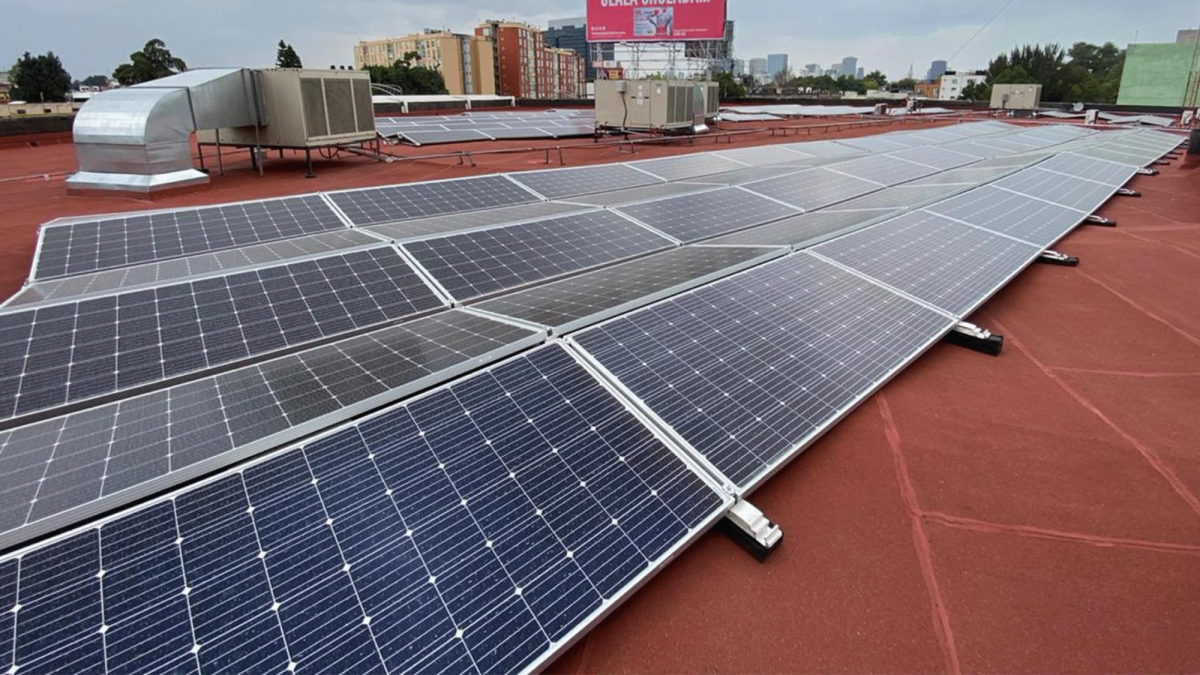
More and more companies want to invest in their own energy sources, but in practice many projects stall at one stage: the roof analysis. That is when it emerges that the building has a large surface and high energy consumption, yet its structure does not allow a conventional photovoltaic installation. The most common barrier is therefore not a lack of space but the roof's load capacity.
It is in precisely such situations that ultralight PV panels grow in importance. Thanks to their far lower mass they make mounting possible where traditional modules would place too great a load. For companies that means not only wider access to photovoltaics, but also the chance to use a surface that until now could not work towards the company's results.
Why does the type of roof matter so much in a PV investment?
In commercial and industrial projects it is not enough to know that a building has a large roof. What is crucial is what load capacity the structure has, what material the covering is made of and how the installation can be safely mounted. It is these factors that determine whether the project is feasible and viable.
The problem affects in particular buildings designed with construction cost optimisation in mind. In such cases the roof fulfils its basic functions but has little load-bearing headroom. When the need to mount conventional photovoltaics is added, the investor faces a choice: strengthen the structure or drop the project. Ultralight PV panels change that pattern, because they allow a roof to be assessed under a completely different logic than before.
Which roofs make the best use of ultralight panels' potential?
The greatest potential lies with buildings that combine three features: a large surface, high energy consumption and structural constraints. It is there that the difference between conventional and lightweight technology is most keenly felt and most justified commercially.
In practice this means above all:
- industrial halls and logistics warehouses,
- production plants,
- public buildings,
- buildings with limited load capacity or requiring mounting with minimal interference with the roof skin.
These are not isolated cases. In many companies buildings of exactly this kind form the basis of operations, while remaining beyond the reach of conventional PV installations.
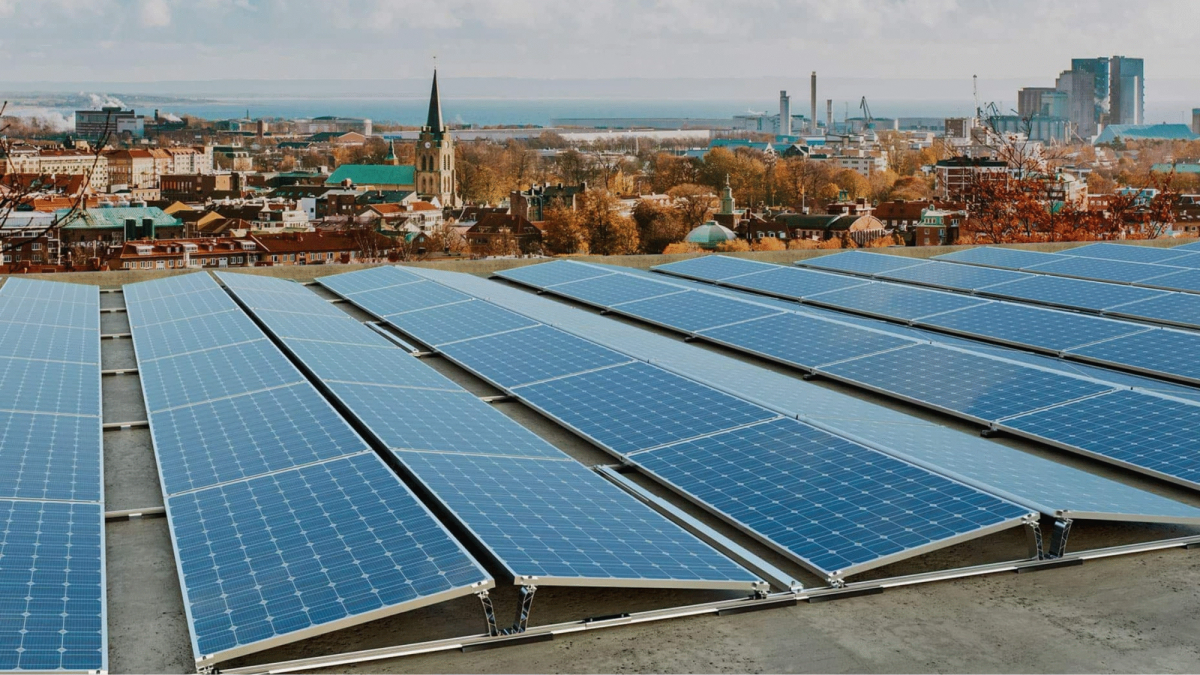
Halls and warehouses – where lightweight photovoltaics delivers the greatest scale
Industrial halls, logistics centres and warehouses very often have an enormous roof area. In theory that gives excellent potential for energy generation. In practice, though, many of these buildings have not been considered as a site for a PV installation, because their roofs would not carry the weight of standard modules.
It is here that ultralight systems show their greatest advantage. A large roof area only starts to have real value once it can be used safely. For companies in logistics and industry this matters especially, because these are sectors with high and predictable energy consumption. The higher the consumption, the more keenly the benefits of generating your own electricity are felt.
Lightweight systems also fit better with buildings that have to run without downtime. If the project does not require a costly structural rebuild, it is far easier to carry out without disrupting the company's day-to-day operations.
Production plants – where viability meets a technical constraint
Production plants belong to the group of buildings where photovoltaics usually has a very strong economic case. Steady energy consumption, predictable load profiles and large building footprints mean the investment can quickly start working towards the company's results.
At the same time it is precisely in such buildings that the problem of roof load capacity often appears. Some plants operate in older buildings, others in halls designed to minimal structural assumptions. In both cases the additional weight of a conventional installation can prove an obstacle.
Ultralight panels make it possible to combine the viability of the investment with the structural safety of the building. That matters especially where a company does not want to take on the risk of interfering with the roof or to prolong the project with costly strengthening work.
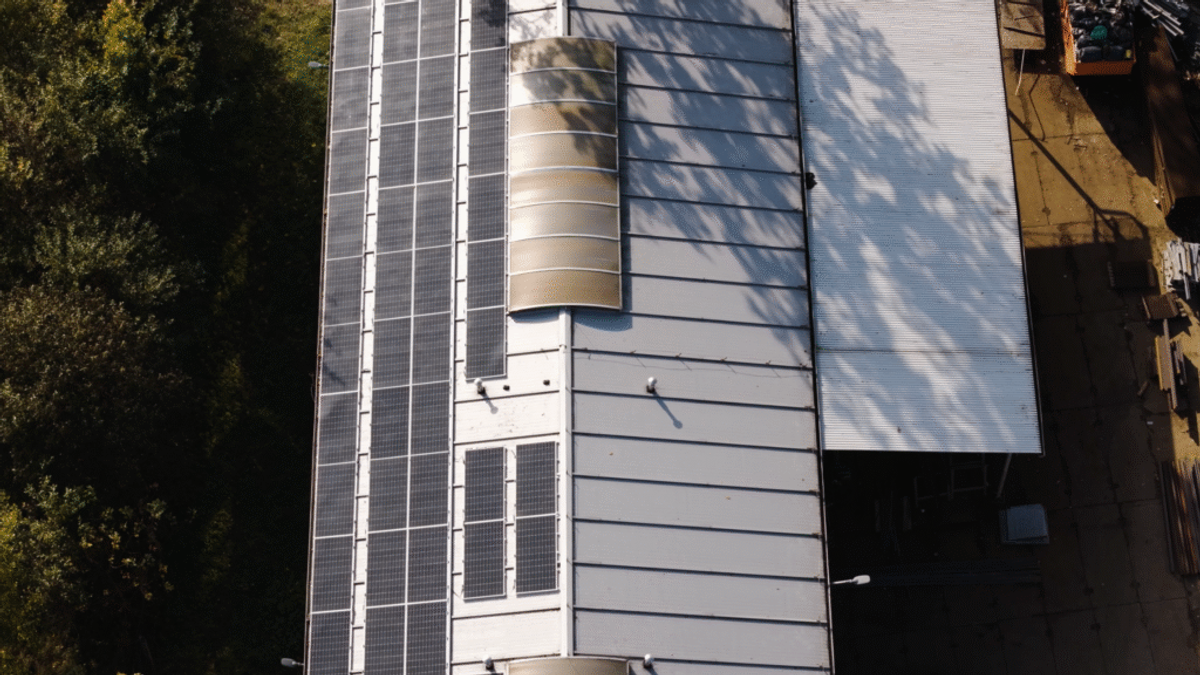
Public buildings – where it is not only the technology that counts, but the budget too
Schools, hospitals, sports facilities and administrative buildings very often combine two challenges: technical constraints and cost pressure. On the one hand they have roofs that do not always allow conventional modules to be mounted. On the other, rising energy bills weigh heavily on their budgets.
In such cases lightweight photovoltaics can be a particularly attractive solution. It allows the investment to be considered without launching a wide-ranging structural refurbishment of the whole building. This is important, because in the public sector every additional technical complication usually means a longer decision process and greater difficulty in implementing the project.
The reputational and social aspect matters too. Investing in renewables in a public building not only lowers energy costs but also demonstrates a practical approach to energy efficiency and environmental responsibility.
Roofs requiring mounting with limited interference
Not every difficult roof has a problem solely with load capacity. On some buildings the mounting method itself matters just as much. These are situations where the roof covering calls for great care or the investor wants to keep interference with the roof skin to a minimum.
In such cases lightweight technology gives an additional advantage. Lower system mass and greater design flexibility make it possible to approach the investment more precisely, taking into account not only the loads but also the specifics of the roof itself. This matters especially on buildings where preserving watertightness, safety and continuity of use is the priority.
Do ultralight panels work only on roofs?
No. Although the roof remains the primary space for PV installations in companies, lightweight technology also opens up other possibilities. This applies especially to buildings that want to use additional surfaces but cannot apply conventional solutions because of weight or the mounting method.
In practice you can also consider:
- canopies and ancillary roofing,
- carports and parking areas,
- selected façade elements or other structures accompanying the building.
This is usually the next stage of thinking about the investment, though. In most companies the priority remains making full use of the main roof potential first.
Where does energy storage fit into all this?
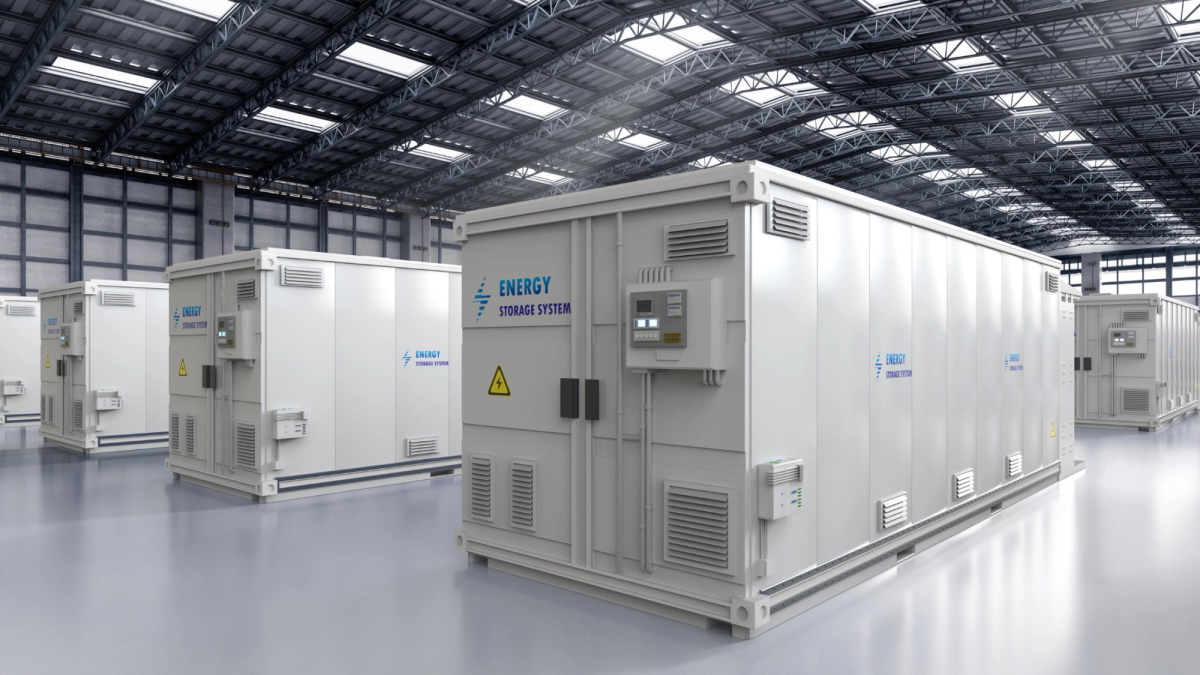
Energy storage can be a valuable complement to a PV installation, but it should not take the leading role here. First you have to answer the question of whether the roof can be used for a lightweight photovoltaic installation at all. Only then is it worth analysing how to increase self-consumption and manage the generated energy better.
From a company's perspective energy storage makes sense when it supports a specific model of energy use: improving security, increasing the use of its own generation or helping control costs better. It does not change the basic fact, though: if the roof does not qualify for standard modules, ultralight technology is the first step to unlocking the whole investment.
How to assess whether a given roof has potential for lightweight PV panels?
This question cannot be answered on the basis of the building type alone. What is needed is an analysis of the specific building, its structure, the type of covering and the mounting conditions. Only then can you judge whether the roof really is suitable for a lightweight installation and which system will be the safest.
At the preliminary qualification stage it is worth checking:
- the type of roof structure,
- the type of covering and its technical condition,
- the available load capacity or load restrictions,
- mounting conditions related to the operation of the building.
It is this analysis that separates a realistic project from one that only looks good in theory.
Which roofs make the best use of ultralight panels' potential?
The greatest gains go to companies that have a large roof area, high energy consumption and structural constraints preventing the mounting of conventional modules. It is there that ultralight panels are neither an add-on nor a technological curiosity, but a real way to launch an investment that would otherwise never come about.
Halls, warehouses, production plants and some public buildings are today the most important areas of application for lightweight photovoltaics. In their case the advantage of such a system comes not only from lower mass, but from the fact that it allows safe use of a roof that was previously invisible in energy terms.
So if a company has a building with a large roof but a standard installation turns out to be too heavy, what is worth checking is not whether „photovoltaics is impossible”, but whether it can be designed differently.