

Is your company's roof suitable for photovoltaics? Find out
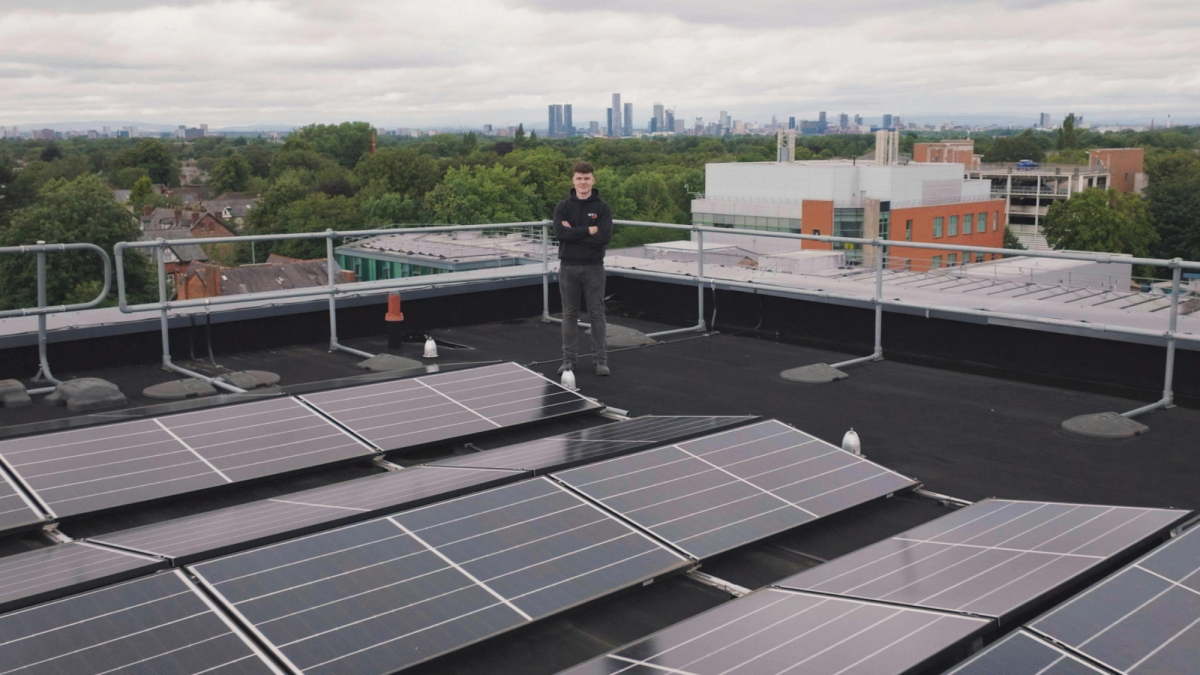
In many companies the conversation about photovoltaics starts with savings, but very quickly turns to the roof. It is the roof that most often determines whether the investment is feasible, whether it calls for a different technology, or whether it has to be dropped at this stage. Not every roof is suitable for a conventional PV installation, but far more buildings can be used if the project is properly assessed.
So before choosing modules, a contractor or a financing model, it is worth going through one basic stage: establishing what the roof can genuinely take. It is this analysis that determines whether the company can use a standard installation or should consider lightweight PV systems from the outset.
Where to start when assessing a roof for photovoltaics?
The most common mistake is assessing the roof too superficially. A large surface and apparently good technical condition are not enough to declare a building ready for an installation. You have to check not only whether there is room for the modules, but above all what loads the structure can safely carry and what the mounting constraints are.
At the start it is worth gathering basic information about the building:
- the type of roof structure,
- the type of roof covering,
- the age of the building and its technical condition,
- the available design or as-built documentation.
This stage alone allows a preliminary judgement of whether the project will be straightforward or requires deeper technical analysis.
Why is the roof area alone not enough?
In practice many companies assume that if the roof is large and nothing is wrong with it, it is suitable for photovoltaics. Yet what decides whether mounting is possible is not the square metres but a set of several factors: load capacity, the type of covering, the way the installation is fixed and the additional loads the roof already has to carry.
That is why two similar buildings can offer completely different investment possibilities. One roof will take a conventional installation without much trouble, while the other will require a lightweight system or an entirely different design approach. Assessing the roof is not a formality but one of the most important stages of the whole investment.
What does the building's technical documentation tell you?
If a company has access to the design documentation, that is usually where the first important reference point lies. The documents allow you to check the structural assumptions, the anticipated loads and the type of roof solutions used. In older buildings the documentation is often incomplete or out of date, but even then it can be a good starting point.
It has to be remembered, though, that documentation alone does not always give the full answer. The building may have been refurbished over the years, the roof's technical condition may have changed and the actual conditions of use may differ from the design assumptions. Documents are therefore best treated as a basis for further assessment, not as the sole source for a decision.
How does the type of covering affect mounting options?
The type of roof covering matters not only for the durability of the building itself, but also for how the installation is mounted and the level of technical risk. A system for a trapezoidal sheet roof is designed differently than one for a sandwich panel, and differently again for bituminous felt or membrane.
In practice particular care is needed where the covering is light, thin or sensitive to intervention. In such cases what matters is not only the mass of the installation but also how it is fixed and its effect on the roof's watertightness. The more demanding the covering, the more the choice of mounting technology matters, not just the panels themselves.
When is a load capacity assessment needed?
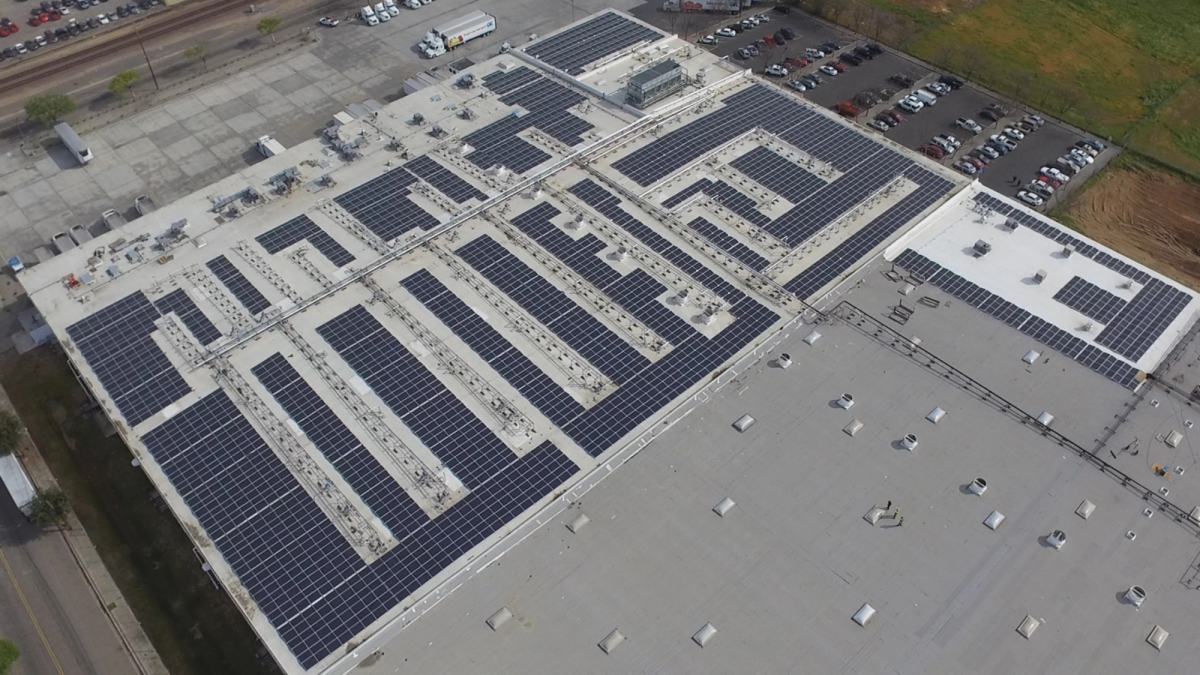
For larger industrial and commercial buildings a technical assessment is often the most sensible step. It allows you to move from general assumptions to a real evaluation of the structure. That is when you can establish what load-bearing headroom the roof has, what loads already act on it and whether a PV installation is possible in the conventional model.
An assessment is particularly needed when:
- the building is older or has incomplete documentation,
- the structure was designed to minimise cost,
- the roof covering raises technical doubts,
- the company is planning a large installation over a significant part of the roof.
This stage often brings order to the whole process. Instead of guessing, the investor gets concrete information on whether the roof qualifies for a standard installation or whether it is better to move straight to analysing a lightweight system.
What do companies often forget when assessing a roof?
One common mistake is focusing solely on the weight of the modules. Yet what loads the roof is not the panel alone but the entire installation as a system. Depending on the solution, the support structure, the fixings and any additional loads arising from the mounting method also matter.
On top of that come the building's operating conditions and the environmental loads the roof has to bear anyway. It is the sum of all these factors, not a single parameter, that determines the safety of the project. Assessing a roof should therefore always be comprehensive.
When is it worth thinking about lightweight PV systems straight away?
If it is clear from the start that the roof has limited load capacity, the covering calls for a cautious approach or the investor does not want to interfere with the building's structure, it is worth analysing lightweight PV systems immediately. That way no time is lost designing a solution that will turn out to be too heavy or too risky for the building anyway.
This is especially important for:
- warehouse and logistics halls,
- production plants,
- buildings with a lightweight roof structure,
- buildings that must stay in continuous operation while the investment is carried out.
In such situations lightweight technology is not an add-on but often the most rational starting point for further design work.
Is energy storage worth considering right away?
At the roof assessment stage this should not be the main topic. First you have to establish whether mounting the installation is possible at all and which technology will be right for the given building. Only afterwards is it worth moving on to analysing self-consumption, how the installation performs during the day and the role of energy storage in the whole system.
Energy storage can be an important complement to the investment, but it does not solve the fundamental problem of matching the installation to the roof's parameters. In practice you first have to answer the question of feasibility, and only then that of expansion.
What does a good investment decision look like?
A good decision is not about quickly picking modules, but about the right order of steps. First you establish what is technically possible. Only on that basis can you compare options, calculate viability and choose the target system.
In practice the process should look like this:
- preliminary assessment of the roof and documentation,
- analysis of the structure and the mounting method,
- selecting PV technology appropriate to the building's parameters,
- and only then the economic analysis and the scope of the investment.
This order limits the risk of mistaken assumptions and speeds up the move from an initial concept to a real project.
How to check whether a company roof is suitable for photovoltaics?
The most important thing is not to answer this question intuitively. The look of the roof, its area or a general impression of „solid construction” are not enough. What is needed is an assessment based on data: documentation, a load capacity analysis, the type of covering and the planned mounting method.
For many companies the key conclusion today is this: a roof may not be suitable for a conventional installation and still be suitable for lightweight PV systems. That is precisely why a sound technical analysis should not end with the question „can it be done”, but „in which technology can it be done safely and profitably”.