

Not every roof will carry conventional photovoltaics. The cheapest quote can mean expensive risk
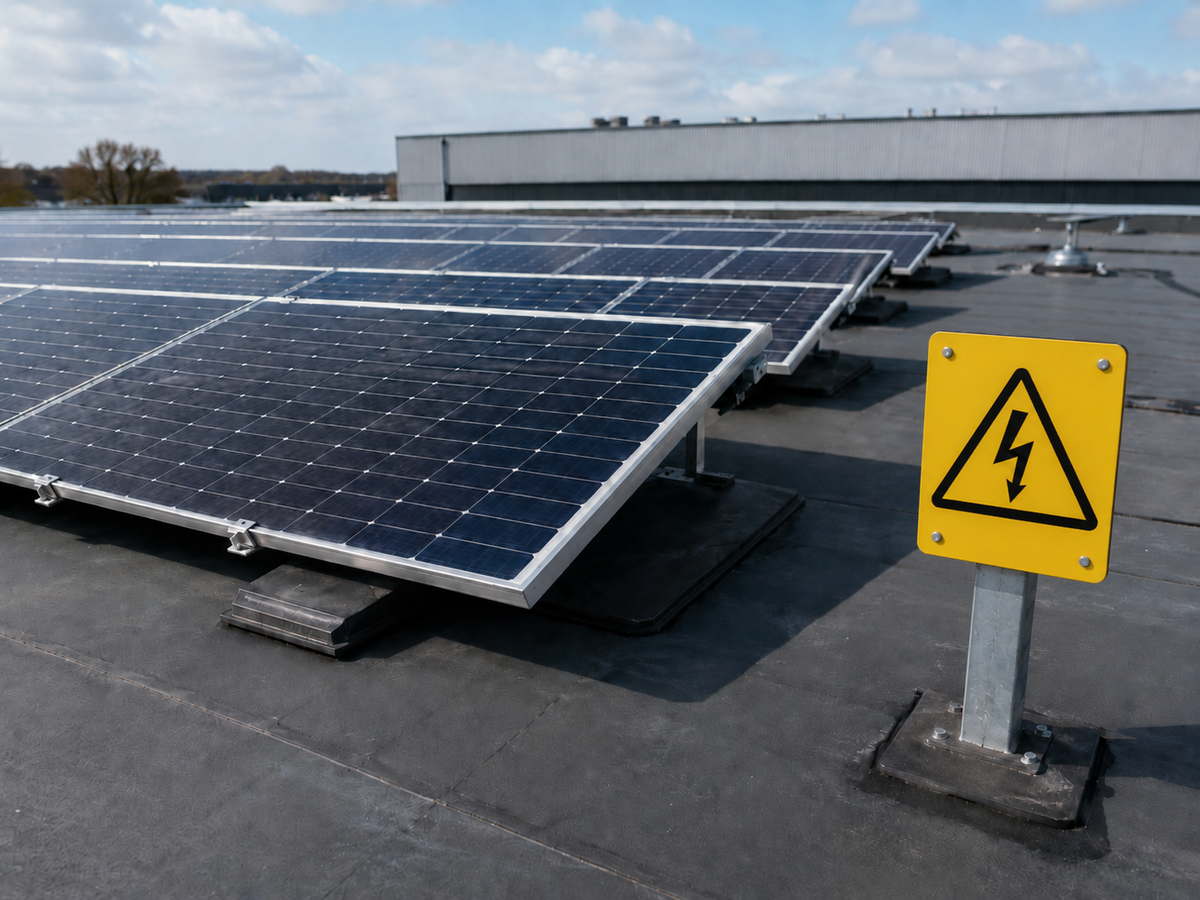
The cheapest quote for rooftop photovoltaics often shows the cost of the installation, but does not always show the full cost of the technical decision. For corporate buildings what is crucial is not only the capacity of the PV system, the choice of panels or the projected energy output. It matters just as much whether the roof can safely take the additional load.
This is especially relevant in production halls, warehouses, logistics centres, service buildings and older industrial facilities. A roof may have a large surface and very good potential for photovoltaics while at the same time having limited load capacity. If this aspect is treated superficially, the investment may require costly changes, a reduction in installed capacity or even abandoning the conventional mounting variant altogether.
In rooftop photovoltaics the price per 1 kWp should therefore not be the sole selection criterion. A good quote has to answer not only the question of what the installation will cost, but also: how the chosen system will affect the roof structure and whether it will be safe for the building over the coming years of operation.
The price of a PV installation is not everything when mounting takes place on a roof
With ground-mounted installations the main constraint tends to be the available area, grid connection conditions, the energy consumption profile or local site conditions. With rooftop installations one more very important factor comes into play: the building's structure.
Two photovoltaic quotes can look similar in a table. They may assume the same capacity, similar modules, an inverter of the same class and a comparable output forecast. The difference may only appear where the technical analysis of the roof begins.
In one quote the contractor checks the load capacity, the type of covering, the structural layout, the fixing options, additional loads and operating constraints. In the other the quote comes down mainly to the number of panels, the installation price and an indicative yield. At first glance the second proposal may look more attractive. The problem is that it may omit the most important risk of the entire investment.
On a corporate roof photovoltaics is not just a set of panels. It is an additional load that will act on the building's structure for years. If the roof has not been properly assessed, a low price can quickly stop being an advantage.
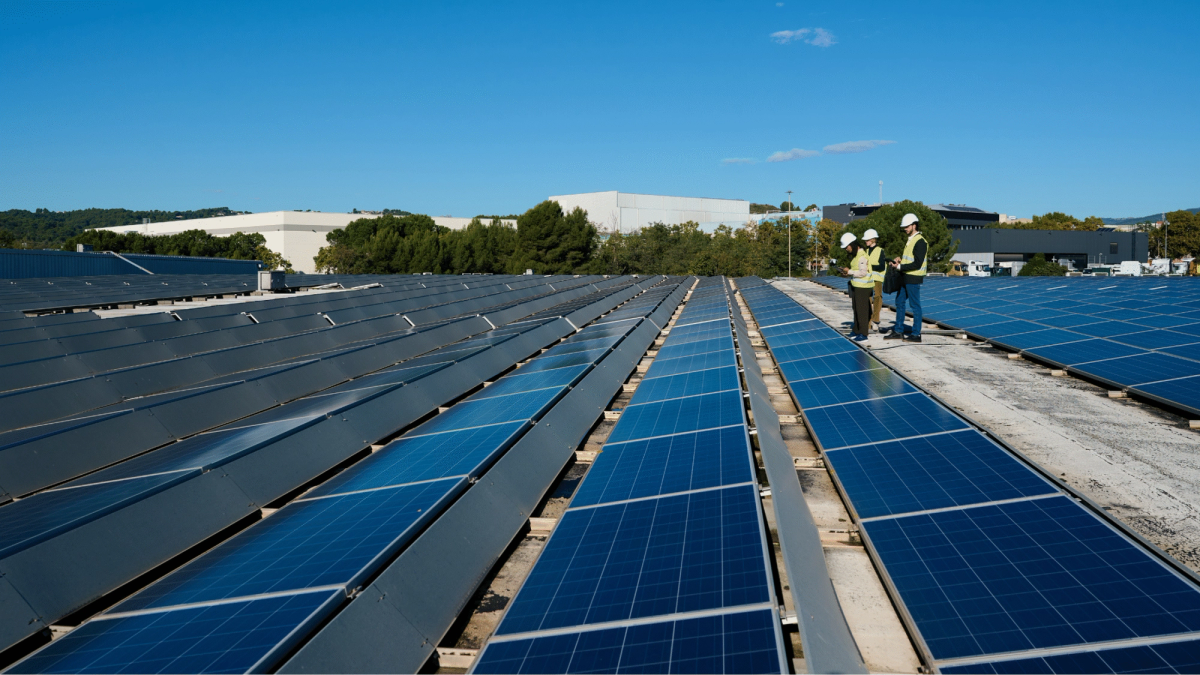
Why can roof load capacity determine whether photovoltaics pays off?
The roofs of industrial and warehouse buildings often have large surfaces, so they naturally suggest themselves as a good site for a PV installation. In practice not every roof that looks suitable is genuinely suitable for a conventional photovoltaic system.
What matters includes:
- the building's load-bearing structure;
- the type of roof covering;
- the age of the building;
- the load-bearing reserve provided for in the design;
- snow and wind loads;
- the presence of technical equipment on the roof;
- the method of fixing the PV installation;
- the weight of the panels, the support structure and any ballast.
In many cases the problem is not the weight of the modules themselves, but the whole mounting system. A conventional PV installation on a flat roof often requires a ballasted structure. That means an additional load intended to stabilise the installation and protect it from wind. For some roofs this variant is possible. For others it may be too heavy or require costly strengthening.
That is precisely why you first have to answer the question of what technology the roof can safely take, and only then compare the prices of the quotes.
When does a conventional PV structure become a problem?
A conventional photovoltaic installation is not bad in itself. In many buildings it works very well. The problem arises when it is proposed as the default solution, without a thorough analysis of the roof's technical conditions.
The risk grows especially in the case of:
- older industrial halls;
- lightweight roof structures;
- roofs with limited load-bearing reserves;
- buildings refurbished or extended in stages;
- buildings with a large number of skylights, ventilation units and other rooftop equipment;
- roofs where a conventional structure would require a large amount of ballast;
- investments where the installed capacity would have to be reduced because of the system's weight.
In such situations the cheapest quote may turn out to be only apparently favourable. If it assumes a standard mounting system requiring additional load, the investor may later face a difficult choice: reduce the installed capacity, pay for strengthening the roof, or look for a different technology.
Each of these decisions affects the cost of the investment, the delivery time and the expected return from photovoltaics.
Hidden costs appear when the roof has not been properly checked
In rooftop photovoltaics some costs do not appear in the quote straight away. They may only emerge after a more detailed structural analysis or at the stage of preparing for installation.
Such costs include, among others:
- structural assessments carried out only after the initial quotation;
- the need to strengthen the roof;
- a change of mounting system;
- a reduction in the number of modules;
- redesigning the installation layout;
- a longer design phase;
- additional safety measures for working on the roof;
- higher costs of servicing and access to the installation.
The biggest problem is that the investor often compares quotes on the basis of the final price, but does not always see what technical assumptions lie behind that price. One quote may assume a fuller analysis and a safer solution. Another may be cheaper because it does not account for the roof's constraints or treats them very generally.
In such a situation a lower price does not mean a lower investment cost. It may mean that part of the cost has simply been shifted to a later stage.
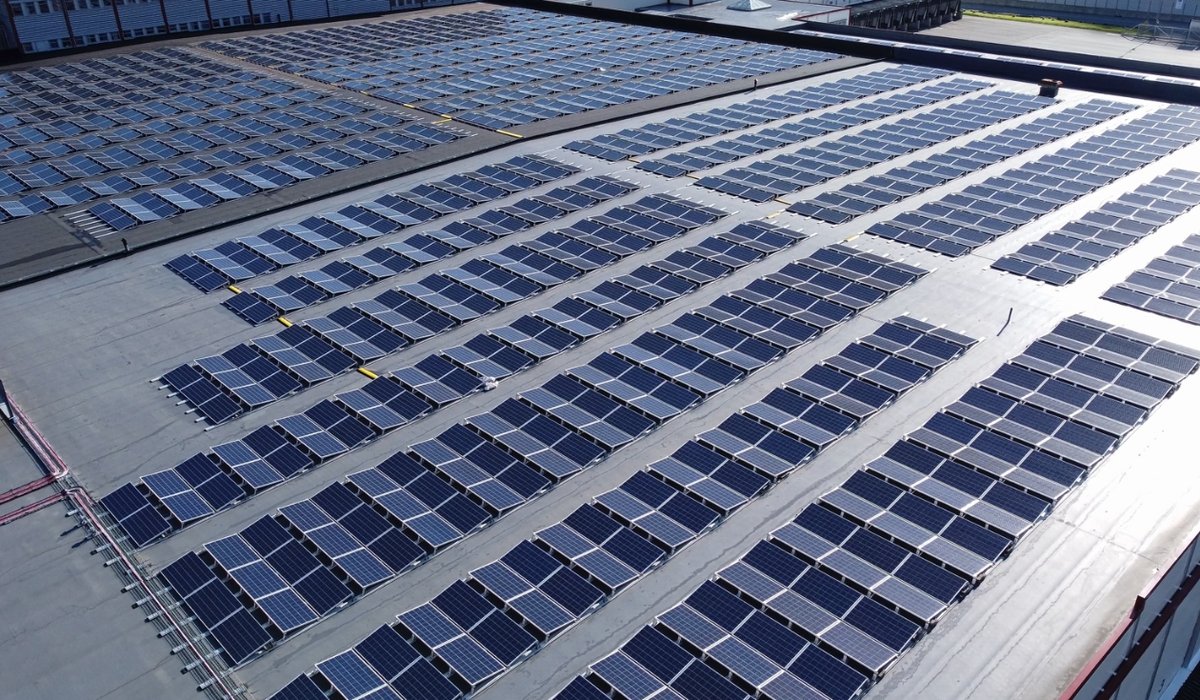
Cheap rooftop photovoltaics can limit the installation's potential
If the roof has limited load capacity, the contractor may propose reducing the installed capacity. Sometimes this is necessary and technically justified. The problem arises when the reduction results not from the building's real potential but from the choice of an overly heavy technology.
A company may have a roof whose surface would allow a larger installation. It may also have high energy consumption and good self-consumption — conditions favouring a bigger PV investment. If, however, the mounting system used places too great a load on the structure, the installed capacity has to be reduced.
In practice this means lower energy output, smaller savings and poorer use of the roof's potential. The investor does not lose money only at the installation stage. They also lose it in energy the installation will never produce, even though the roof could perform better with a different technical solution.
This is one of the reasons why the price per 1 kWp is not enough to assess a quote. A cheaper variant may deliver lower capacity, greater constraints and a weaker economic result over the installation's whole operating life.
Lightweight photovoltaic panels as an answer to structural constraints
Lightweight photovoltaic panels are particularly relevant where a conventional PV system proves too heavy, too difficult to mount or would require costly strengthening of the roof. Their main advantage is not the novelty of the technology itself, but the ability to use surfaces that would be problematic in the traditional variant.
For companies this means several potential benefits:
- a lower load on the roof structure;
- the possibility of mounting on buildings with limited load capacity;
- limiting or avoiding costly strengthening;
- better use of the available roof surface;
- greater design flexibility;
- the ability to deliver an installation where a conventional structure would be too risky.
This does not mean lightweight panels are the best solution in every investment. It does mean, though, that they should be considered wherever the roof is the most important technical constraint.
In a well-prepared project the technology should not be chosen automatically. It should follow from the building's conditions, the aim of the investment and an analysis of the risks.
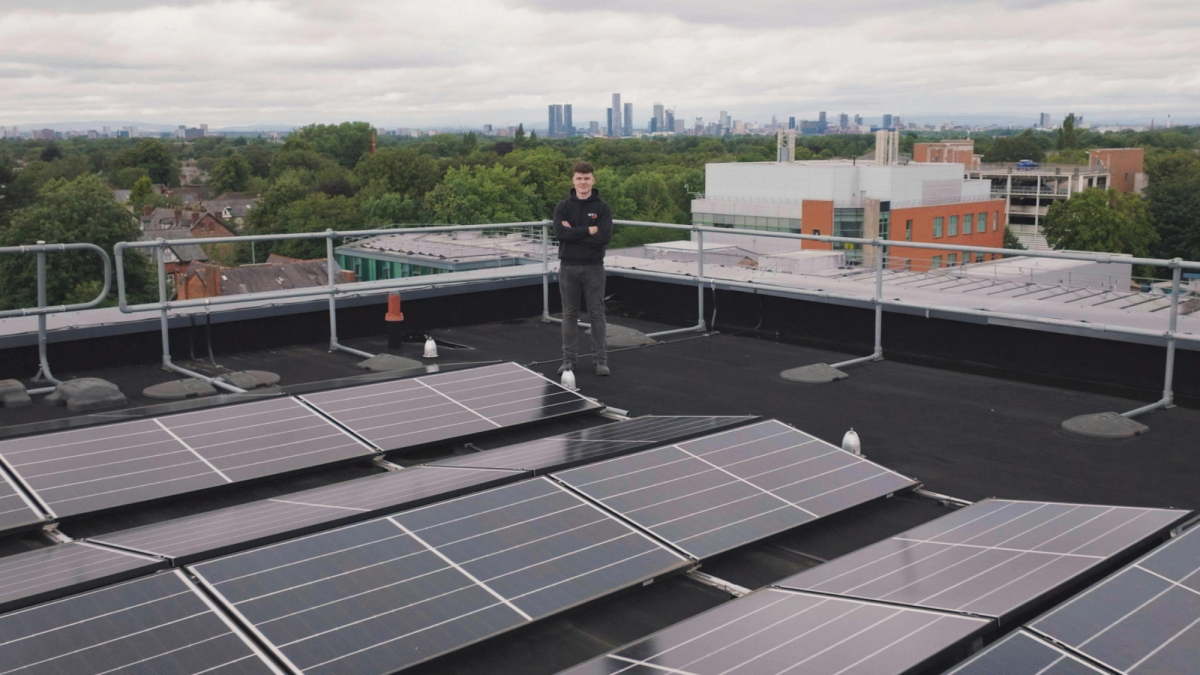
When is it worth considering lightweight PV panels?
Lightweight panels are worth analysing especially when a company has a large roof area but doubts arise about the load on the structure. This applies both to older buildings and to those designed with only a small load-bearing reserve.
Such a solution can be particularly useful for:
- production halls;
- warehouses;
- logistics centres;
- retail buildings;
- service buildings;
- roofs with a lightweight structure;
- roofs where conventional mounting would require significant ballast;
- investments where strengthening the structure would be too costly or time-consuming.
It is also worth considering lightweight panels when an earlier analysis showed that a conventional PV installation would have to be significantly reduced. If technology with a lower mass allows the possible installed capacity to be increased, it can improve the viability of the whole investment.
The most important thing, however, is not to treat lightweight panels as an emergency solution only once the conventional design has failed. In many cases they should be analysed right at the start, in parallel with other variants.
What should a good PV quote for a roof with limited load capacity contain?
A good quote for a photovoltaic installation on a company roof should not be limited to price, capacity and a list of components. It should show that the contractor understands the building's technical conditions and can match the solution to the specific roof.
For roofs with limited load capacity the following are particularly important:
- analysis of the roof structure;
- assessment of the load the PV installation may place on it;
- matching the mounting technology to the type of covering;
- a comparison of the conventional and lightweight variants;
- identification of the technical constraints;
- determination of the possible installed capacity;
- an energy output forecast;
- provision for service access;
- technical and as-built documentation;
- a clear scope of the contractor's responsibility.
Only such a set of information allows quotes to be compared fairly. If one proposal takes into account the roof analysis, the structural constraints and the choice of technology, while the other shows only the price per 1 kWp, these are not two equivalent quotes. They are two different levels of investment safety.
The cheapest quote may not be the best if it ignores the roof
In rooftop photovoltaics the lowest price is attractive only when we are comparing the same technical scope and the same level of risk. If one quote takes the roof's real conditions into account while the other assumes a standard solution without detailed analysis, the lower price can be misleading.
A roof is not a neutral mounting site. It has its own structure, constraints, operating history and a defined load capacity. If a PV installation is to work for years, it has to be matched to those conditions.
That is why the question should not be solely: how much does photovoltaics on a company roof cost? More important is: what system can be safely mounted on this specific roof and what energy result will it deliver over its whole operating life?
Photovoltaics on a company roof: a saving or risk deferred in time?
Rooftop photovoltaics can be a very good way to lower a company's energy costs. There is one condition: the installation has to be matched to the building's real capabilities. If a quote ignores roof load capacity, the weight of the structure, the mounting method and the technical constraints, a low price can mean risk deferred in time.
The key conclusions:
- the price per 1 kWp is not enough to assess rooftop photovoltaics;
- roof load capacity can determine the possible capacity and the viability of the installation;
- a conventional PV structure is not always the best solution for corporate buildings;
- hidden costs can appear in assessments, strengthening work, design changes or a reduction in installed capacity;
- lightweight photovoltaic panels are worth considering wherever the roof has structural constraints;
- a good PV quote should show not only the price, but also the technical safety and the real energy result.
If you are planning photovoltaics on your company's roof, do not start solely by comparing prices. Start with the question of whether the roof can safely take the chosen system and whether the technology has been matched to the building's real conditions.
As the creators of the Lekkie Panele initiative, we analyse PV installations above all from the perspective of roofs that require an individual approach. We establish where conventional solutions may be too heavy, when lightweight photovoltaic panels are worth considering and how to design an installation that makes use of the roof's potential without unnecessary risk to the building's structure.